Modern Engineering from Hull to Wardrobe: Parallel Innovations in Maritime Technology and Style
Advanced maritime engineering and technical garment design share a core philosophy rooted in structural integrity, material resilience, and ergonomic efficiency.
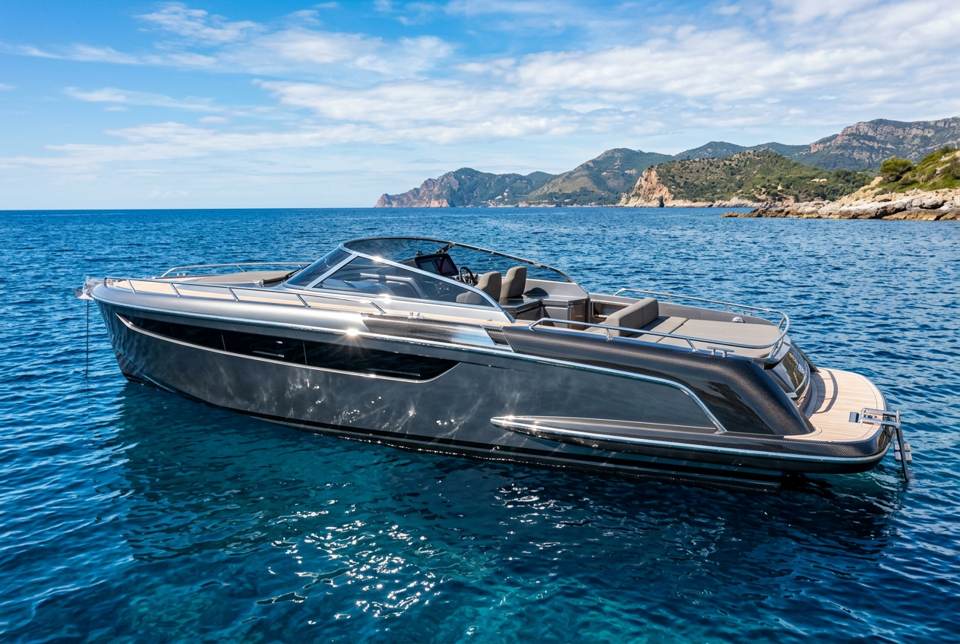
Hydrodynamic Craftsmanship and Structural Safety
Modern maritime engineering relies on a precise synthesis of streamlined hulls, high-efficiency engines, and rigorous safety protocols. Just as technical outerwear uses tailored paneling and ergonomic shaping to streamline motion while protecting against harsh elements, vessel design integrates hydrodynamic lines to minimize drag across open water. For travelers analyzing maritime hardware and safety standards firsthand in Dubai, reviewing options for Vela Crest yacht charter provides a practical look at how modern propulsion systems and marine safety gear operate during a structured boat tour.
Structural stability remains central to both maritime construction and functional garment tailoring. A hull must withstand fluid dynamic pressures and wave impacts without compromising vessel integrity, mirroring how technical apparel relies on reinforced stress points to endure tension and movement. Engine cooling systems, fire suppression mechanisms, and emergency buoyancy devices form an integrated protective envelope on water, reflecting the multi-layered protective strategies seen in weather-proof outerwear engineered for challenging environments.
High-Performance Fibers and Nautical Hull Coatings
Materials science bridges the gap between naval architecture and contemporary style. Modern yacht hulls frequently utilize carbon-fiber composites, fiberglass laminates, and specialized anti-fouling coatings to maximize durability while reducing overall weight. Lower mass translates directly to improved fuel efficiency and maneuverability, allowing engines to operate within optimal thermal parameters.
Similarly, modern textile design prioritizes high strength-to-weight ratios. Synthetic polymers, such as aramid fibers and ultra-high-molecular-weight polyethylene, allow protective apparel to deliver extreme abrasion resistance without adding unneeded bulk. The application of hydrophobic coatings to boat hulls to prevent biofouling and reduce surface resistance parallels the use of durable water repellent treatments on high-performance fabrics. Both applications rely on chemical surface engineering to maintain structural integrity and functional efficiency against liquid exposure.
Thermal Regulation in Marine and Apparel Engineering
Internal combustion engines and electric marine drives generate substantial thermal loads that require continuous heat dissipation. Closed-loop liquid cooling systems, heat exchangers, and raw-water intake pumps maintain stable engine temperatures even under sustained high-speed operation. Sensors monitor exhaust temperatures and coolant flow in real time, preventing thermal overload and ensuring mechanical longevity.
In human-centric design, thermal regulation is equally critical. Advanced activewear and outerwear utilize micro-porous membranes, mesh ventilation zones, and moisture-wicking synthetic weaves to balance body temperature during exertion. Just as marine cooling loops route excess thermal energy away from sensitive mechanical components, technical garments facilitate heat and vapor transfer away from the skin. This dual emphasis on heat management demonstrates how thermodynamic principles govern both mechanical propulsion systems and personal wearable systems.
Load-Bearing Mechanics and Seam Integrity
The mechanical stress placed on marine rigging, steering linkages, and engine mounts requires rigorous load distribution analysis. Cleats, winches, and stainless-steel fasteners are positioned to transfer mechanical forces evenly across the vessel frame, preventing localized material failure under sudden strain or rough sea conditions. Regular inspection of these mechanical joints ensures long-term seaworthiness and operational safety.
In apparel construction, seam placement and stitching techniques perform an identical mechanical function. Ultrasonic welding, taped seams, and bar-tack reinforcements prevent stress concentration along garment joinery. When a technical jacket or pack experiences heavy loads during movement, engineered seam geometry distributes tension across the surrounding fabric panels. Whether securing a mooring line against strong currents or constructing a high-tensile garment, load management remains a fundamental principle of structural safety.
Ergonomic Systems and Navigational Precision
Cockpit layout and helm control design in modern vessels prioritize intuitive human-machine interaction. Analog gauges and electronic telemetry displays are positioned within direct sightlines, allowing operators to monitor engine rpm, oil pressure, fuel consumption, and depth soundings without taking attention away from the water. Ergonomic seating and shock-absorbing helm pedestals mitigate operator fatigue caused by continuous wave impact.
This focus on human factors translates directly into functional apparel design. Articulated elbows, adjustable hems, and strategically placed pockets allow wearers to interact effortlessly with their environment without restricting motion. Safety equipment, such as integrated life vest harnesses and reflective trim, mirrors the visibility and quick-access safety gear found on boat decks. Ultimately, both maritime engineering and modern style inspiration share a commitment to functional precision, where aesthetic form is a natural outcome of performance, safety, and utility.
By evaluating the shared principles of structural design, thermal control, and material science, one gains a deeper appreciation for how advanced technology shapes physical experiences both on the water and in everyday wardrobe choices.